
Plaster Repair
Loose or cracked plaster reattached to its lath and skimmed flat, or plaster and lath taken out and replaced with drywall where it has failed.
South Bend Drywall Pros is the drywall company for drywall repair and installation in Three Oaks, MI, with drywall installation, repair and finishing in Three Oaks for its prewar houses and the homes built after them.
Request a quote
Tell us about the job and we will call you back to talk it through.
In Three Oaks, around 30% of the homes are built before 1940. Back then, it was all plaster on wood lath on all of the walls. The wood lath are thin wooden strips that go on behind the old plaster that squeezes between them and hardens into the keys that hold it up. Plaster repair can be done with screws and plaster washers.
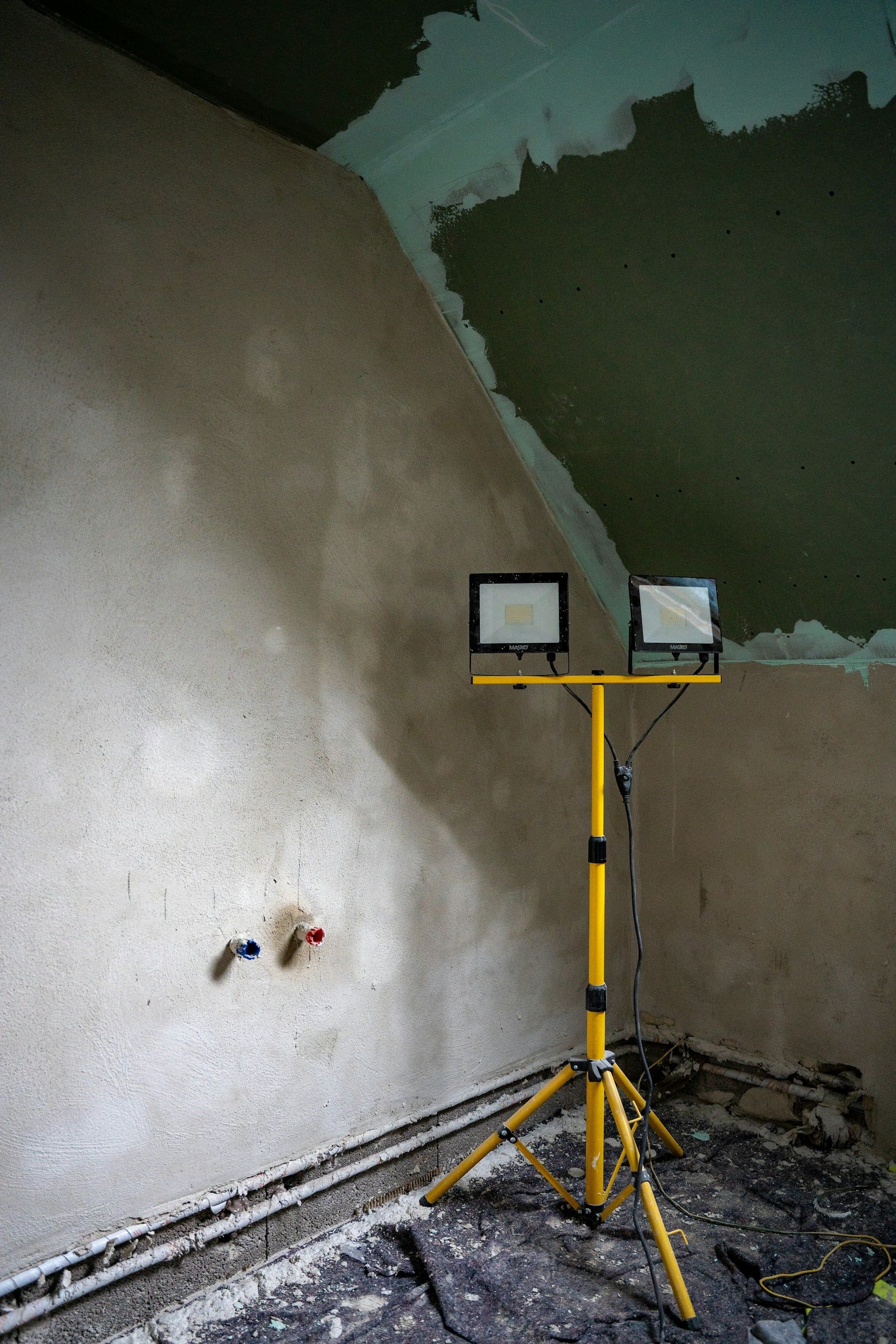
A lot of seasonal homes become vacant, and 223 of the 771 homes are vacant at times. Three Oaks is about 42 minutes from South Bend. Some of these vacant homes have leaks that may not get attended to right away, which can cause many problems.
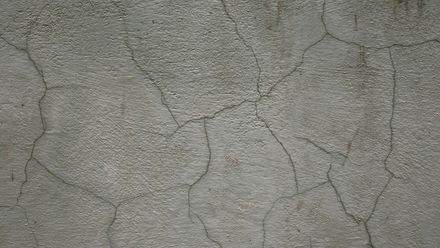
Cracks above doors and windows can come back even after repairs have been done. The framing in these homes can move around each season, from warm weather to cold weather. Just the tiniest bit of movement can create cracks in the walls. Filler paste on these cracks usually lasts about a year, and fiberglass tape in a setting compound, bedded in to bridge the crack, can last longer.
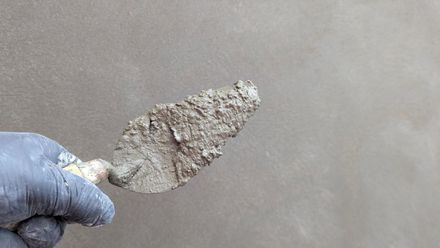
Gypsum lath in the 1950s houses was typically the way that all of these walls were made. Cracks will typically run straight along the joints. These tape joints should be redone, and any plaster that has come loose should be screwed back on with plaster washers to secure it to the original walls. A drywall contractor will know immediately what type of walls you have and your options.
Bathrooms in a house from the 1950s or earlier have usually been redone at least once, often with board that was never meant for a shower. Behind tile around a tub or shower, we use cement board, since gypsum softens when water gets through the grout. Moisture-resistant board covers the walls outside the splash zone and the ceiling. We also make sure the exhaust fan vents outdoors.
Jobs of $600 and up need a Michigan license. Three Oaks Township has its own inspector. You can ask at the Village Hall which office covers it, but your drywall contractor should know this information for you. If the work is in the basement, or is a moved wall or an addition to the house, a permit is often needed. Again, always ask your drywall professional before any work is started.
The trip from South Bend to Three Oaks runs close to 45 minutes and 25 miles, most of it on US 12. A plaster repair here often takes two or three visits, since each coat has to set before the next. We plan those visits ahead and group them with other work in this corner of Berrien County, so you get firm dates up front.
We also serve North Liberty, IN, half an hour south of South Bend.
Three Oaks has a population of about 1,396. Here is what that means for the work we do here.
| Local fact | Detail |
|---|---|
| Homes built 1939 or earlier | 31% of housing in the village. |
| Homes built in the 1950s | 16%, the next-largest decade after the prewar houses. |
| Empty or seasonal homes | 223 of 771 housing units stood vacant in the count, 79 of them held for seasonal use. |
| Where the village sits | Three Oaks Township, Berrien County, on US 12 about two miles from the Indiana line. |
| Building inspector | Three Oaks Township has its own; Village Hall at 21 N Elm St can say which office covers an address. |
Loose or cracked plaster reattached to its lath and skimmed flat, or plaster and lath taken out and replaced with drywall where it has failed.
Cracked, sagging or holed drywall ceilings, winter corner cracks included, repaired down to solid framing and textured to match the rest of the room.
Wet drywall and stained or sagging ceilings after a burst pipe, roof leak, ice dam or basement flood, cut out and dried before it is rebuilt to match.
New board taped and finished to the level the room needs, a skim to Level 5 where light rakes the wall, and old textures matched or skimmed smooth.
Basement walls framed off the foundation and hung with mold-resistant board kept clear of the slab, with the ceiling planned around what needs reaching.
Garages boarded to the Indiana code's separation rules, with Type X overhead wherever a bedroom sits above.
Steel stud partitions and fire-rated walls built to the design on the drawings, with repairs worked around tenants and opening hours.
Yes, it should come off before repainting. Paint can loosen old paper or make the paper bubble. There are often cracks found underneath the old wallpaper that should be fixed and primed before the final paint goes on.
When putting in a new doorway, you need to make sure that the wall is not a bearing wall that holds up the weight from above. If this is the case, the framing needs to have a header that will carry the load.
When sunlight comes across the wall, this low-angle light shows the ridges and humps and scratches that could be in a not-so-good repair job. The blend of the patchwork needs to be wider across the wall.
Paint that was applied on walls before 1978 may have lead. Be sure to test first. If it does, working while the wall is wet and containing the room can help.
The heat should be at 55 degrees or higher. All the water should be turned off with the lines drained. Frozen pipes often break and soak a ceiling where nobody sees it for days.
The quote should spell out what the walls are made of, which areas of the walls are saved or to be replaced, and how many visits will be needed for multiple coats of compound.
Tell us what you are dealing with and we will give you a straight answer on scope, timing and what drives the cost.
Phone is quicker: (574) 406-1764. Otherwise fill this in. Somebody rings you back.